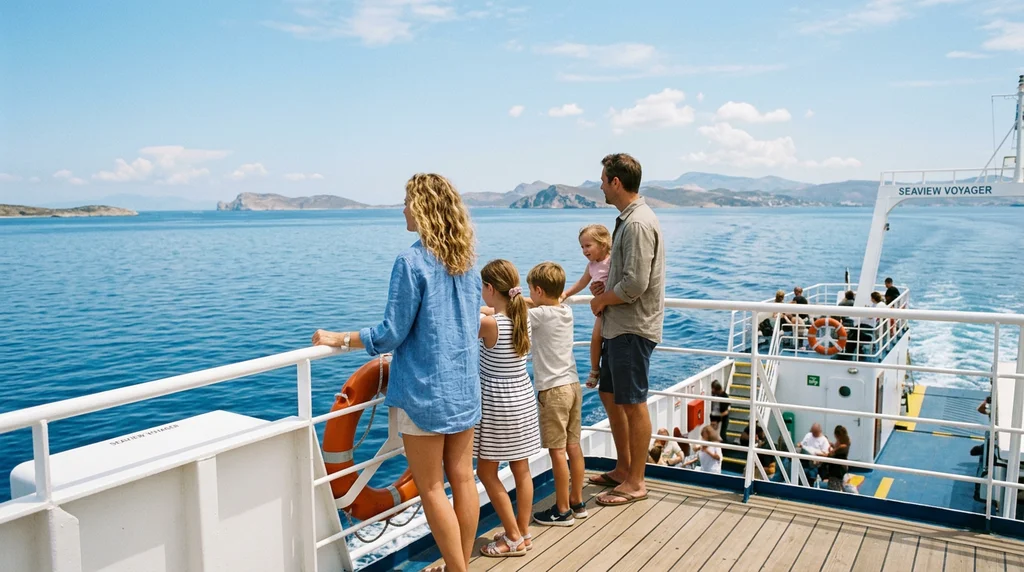
Ferry Travel with Children
Ferries are brilliant for family travel. Children can get up and move around, there's space to spread out, and the crossing becomes part of the adventure rather than something to endure — a world away from a cramped flight.
With a little planning, a ferry with kids can be genuinely enjoyable. This guide covers why it works so well, how to keep children happy on board, and what to think about for longer or overnight crossings.
Contents
Why ferries suit families
There's a lot to like about taking children on a ferry:
- • Freedom to move: no seatbelt signs or being stuck in a seat for hours
- • Space to spread out: lounges, decks and room to walk about
- • Take the car: arrive with the buggy, car seats and all your gear
- • Generous luggage: no fretting over baggage limits for the family's things
Keeping children happy on board
A few things keep the crossing smooth:
- • Pack activities: toys, books, colouring or a tablet with downloaded shows
- • Snacks and drinks: familiar favourites for between meals
- • Explore the ship: watching the sea, spotting other boats, finding the play area
- • Plan around naps: on a longer sailing, a quiet spot or cabin helps little ones rest
Facilities for families
Many ferries are well set up for children:
- • Play areas: larger ships often have a dedicated kids' area
- • Family seating: lounges with room for everyone together
- • Baby changing: on most ferries, alongside the toilets
- • Food options: cafés and restaurants with child-friendly choices
Cabins for family crossings
On a long or overnight crossing, a family cabin is often well worth it. It gives you a private space for children to nap, change and retreat to, and somewhere to keep everyone's things together.
For overnight sailings it means the children — and you — can actually sleep, so you all arrive rested and ready. Book early, as family cabins are popular and limited.
What to pack for children
Keep a family day bag with you when you leave the car deck:
- • Snacks and drinks: enough to see you through the crossing
- • Entertainment: toys, games or a tablet and headphones
- • Spare clothes: plus any baby-changing essentials
- • A comforter: a favourite toy or blanket for naps
- • Layers: it can be breezy on deck, even in summer
Documents for children
Children need their own travel documents on international crossings — check passport requirements for every child, as they don't travel on a parent's passport.
For trips to Europe, make sure each child's passport is valid for your dates, and check the current entry rules, including how the EES entry system applies.
Tips for a calm crossing
A few final pointers for family sailings:
- • Board in good time: arriving relaxed sets the tone
- • Get some fresh air: time on deck helps restless children — and prevents queasiness
- • Bring seasickness remedies: ask a pharmacist about options suitable for children
- • Keep essentials handy: so you're not hunting through bags mid-crossing
Related guides
For more, see our guides on what to pack for a ferry crossing, choosing a cabin or seat, and seasickness tips.
Frequently Asked Questions
Are ferries good for travelling with children?
Yes — children can move around freely, there's space to spread out, and facilities like play areas make the crossing part of the adventure.
Do children need their own passport on a ferry to Europe?
Yes — each child needs their own valid travel document on international crossings; they don't travel on a parent's passport.
Should I book a cabin when travelling with children?
On long or overnight crossings it's well worth it, giving a private space for naps, changing and sleep. Book early, as family cabins are limited.
What should I pack for children on a ferry?
A family day bag with snacks, drinks, entertainment, spare clothes, a comforter and layers — kept with you when you leave the car deck.
How do I keep children from getting seasick on a ferry?
Get fresh air on deck, keep them looking at the horizon, and ask a pharmacist about seasickness remedies suitable for children.
Ready to book?
Check prices »