Seasickness Tips for Ferry Travel
Seasickness puts a lot of people off ferry travel, but it's usually manageable — and often avoidable. Modern ships are large and stable, many crossings are short and sheltered, and a few simple habits make a real difference.
This guide covers where to sit, what to eat and drink, remedies that help, and how to settle yourself if you do start to feel queasy. A little preparation goes a long way.
Table of Contents
What causes seasickness
Seasickness happens when what your eyes see and what your inner ear feels don't match. Below deck, your body senses the ship's movement while your eyes see a still cabin — and that mismatch can bring on nausea.
The good news is that this is exactly why the simple fixes work: help your eyes and inner ear agree, and the feeling usually eases.
Where to sit on the ferry
Position on the ship makes a big difference:
- Midships and low: the middle of the ship, on a lower deck, moves least
- Face forward: sit facing the direction of travel where you can
- Get fresh air: an outside deck, or a seat by a window, helps enormously
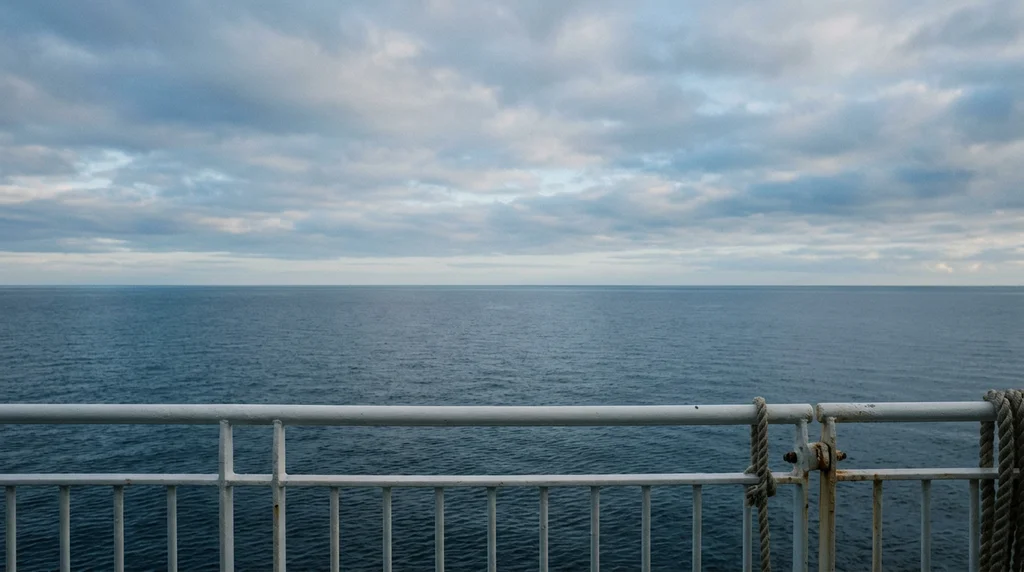
- Look at the horizon: a fixed, distant point helps your senses realign
Before you sail
A little preparation helps prevent it starting:
- Eat something light: travel on a settled stomach — not too full, not empty
- Avoid heavy or greasy food: and go easy on alcohol the night before and on board
- Rest beforehand: being tired makes motion sickness worse
- Take remedies early: many work best taken before you sail, not once you feel ill
Remedies that help
Several options can prevent or ease symptoms:
- Travel-sickness tablets: widely available; take before sailing as directed
- Acupressure bands: worn on the wrist, drug-free and reusable
- Ginger: ginger biscuits, sweets or tea settle some people's stomachs
- Fresh air and water: sip water, avoid stuffy areas, and get out on deck
- Ask a pharmacist: for advice on what suits you, especially for children or if pregnant
If you start to feel unwell
If queasiness creeps in, act early:
- Get outside: head to an open deck and breathe the fresh air
- Watch the horizon: fix your eyes on the distant shoreline or skyline
- Stop reading or screens: looking down at a book or phone makes it worse
- Sip water and nibble: small sips and a plain biscuit can settle things
- Lie down if needed: on a longer crossing, lying flat with eyes closed can help
Choosing a smoother crossing
You can also stack the odds in your favour:
- Shorter is easier: a quick crossing gives less time to feel unwell
- Sheltered routes: crossings like Gills Bay–Orkney are known for being sheltered
- Bigger ships: large modern ferries are more stable than small, fast craft
- Check the weather: calmer conditions mean a smoother sailing
Related guides
For more on making a crossing comfortable, see our guides on choosing a cabin or seat and what to pack for a ferry.
Frequently Asked Questions
How do I avoid seasickness on a ferry?
Sit midships on a lower deck, get fresh air, watch the horizon, eat lightly, and take a remedy before you sail rather than once you feel ill.
Where is the best place to sit to avoid seasickness?
The middle of the ship on a lower deck moves least. Facing forward, near a window or out on deck with a view of the horizon, helps too.
What helps with seasickness?
Travel-sickness tablets, acupressure wristbands, ginger, fresh air and sipping water all help. Ask a pharmacist what suits you.
Are big ferries less likely to make you seasick?
Generally yes — large modern ships are more stable than small fast craft, and short, sheltered crossings give less time to feel unwell.
Does looking at my phone make seasickness worse?
Yes — looking down at a screen or book worsens the mismatch that causes it. Look at the horizon instead.
Ready to book?
Check prices »