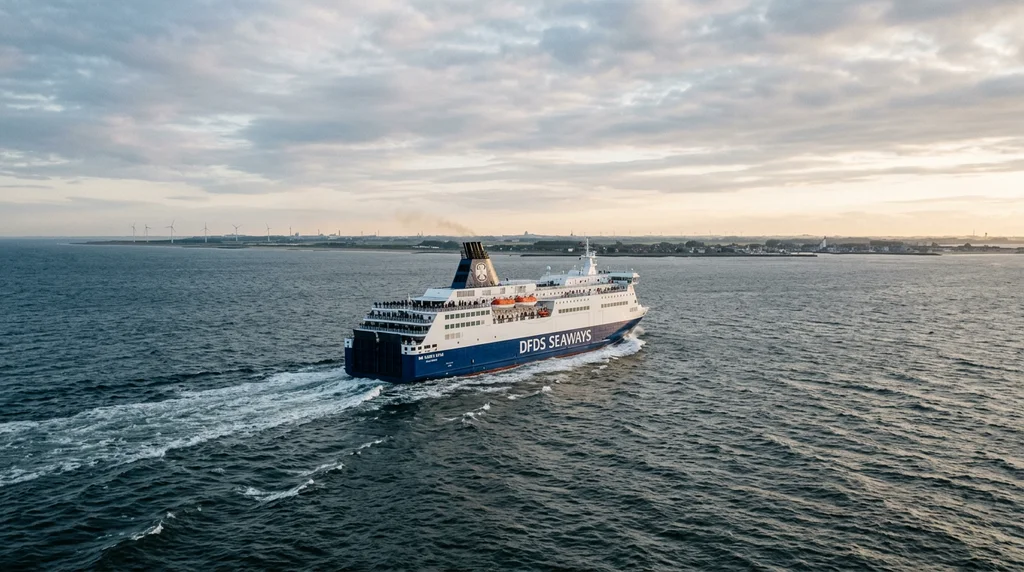
Ferry Routes to Denmark
Check prices & times »Every ferry route to Denmark is indirect. With no direct UK–Denmark crossing since 2014, you sail to the Netherlands and drive north through Germany — so the "route" is a North Sea crossing plus a scenic overland drive.
It's a longer journey than a direct ferry would be, but it lets you take your car all the way. Here's how the main crossings compare, and how the onward route works.
Ferry routes towards Denmark
| Route | Gateway | Duration | Best for | Details |
|---|---|---|---|---|
| Newcastle–Amsterdam (IJmuiden) | to Netherlands | ~15–16h overnight | best for the north-east | View route » |
| Hull–Rotterdam | to Netherlands | ~11–12h overnight | best for northern England | View route » |
| Harwich–Hook of Holland | to Netherlands | ~6h 30m–7h | best rail links | View route » |
Newcastle–Amsterdam (IJmuiden)
Hull–Rotterdam
Harwich–Hook of Holland
There's no direct UK–Denmark route. Each of these lands in the Netherlands, from where you drive north through Germany into Denmark.
The Dutch crossings
All three routes to Denmark start with a North Sea crossing to the Netherlands:
- Newcastle–Amsterdam: An overnight crossing to IJmuiden, best for the north-east and Scotland. Read more »
- Hull–Rotterdam: An overnight crossing, handy for northern England. Read more »
- Harwich–Hook of Holland: The fastest Dutch crossing at around 6.5–7 hours, with strong rail links. Read more »
The onward drive to Denmark
From the Dutch coast, the route north runs through Germany:
- Through Germany: Around six and a half hours by autobahn up through northern Germany.
- Into Jutland: Cross the land border into the Danish mainland.
- To Copenhagen: The Puttgarden–Rødby ferry is a common final leg across to Zealand.
- Plan a break: It's a long drive, so consider a stop or an overnight on the way.
By starting point
The best crossing depends on where you set off:
- The north-east and Scotland: Newcastle–Amsterdam, avoiding a drive south first.
- Northern England: Hull–Rotterdam.
- The east and south-east: Harwich–Hook of Holland.
- Without a car: Harwich–Hook of Holland, then onward trains — a long but doable journey.
Booking indirect routes
A few things worth knowing when your route is indirect:
- Book the crossing: You book the ferry leg to the Netherlands, not to Denmark.
- Consider the whole journey: Factor in the long onward drive, not just time at sea.
- Take your car: The ferry lets you drive the whole route, luggage and all.
- Documents: A valid passport is required, and the EES entry system applies at your Dutch arrival port.
Frequently Asked Questions
What ferry routes go to Denmark?
None directly — you sail Newcastle–Amsterdam, Hull–Rotterdam or Harwich–Hook of Holland to the Netherlands, then drive north through Germany into Denmark.
What's the best route to Denmark by ferry?
Newcastle–Amsterdam suits the north-east and Scotland; Hull–Rotterdam northern England; Harwich–Hook of Holland the south-east. All land in the Netherlands.
How do I get to Copenhagen?
Sail to the Netherlands and drive north through Germany; the Puttgarden–Rødby ferry is a common final leg across to Zealand and Copenhagen.
How long does it take to reach Denmark by ferry and car?
The crossing plus around six and a half hours' drive north through Germany — often done as an overnight ferry then a full day's drive.
Do I need a passport for these routes?
Yes — Denmark is in the EU and Schengen area, so you need a valid passport, and the EES entry system applies at your Dutch arrival port.