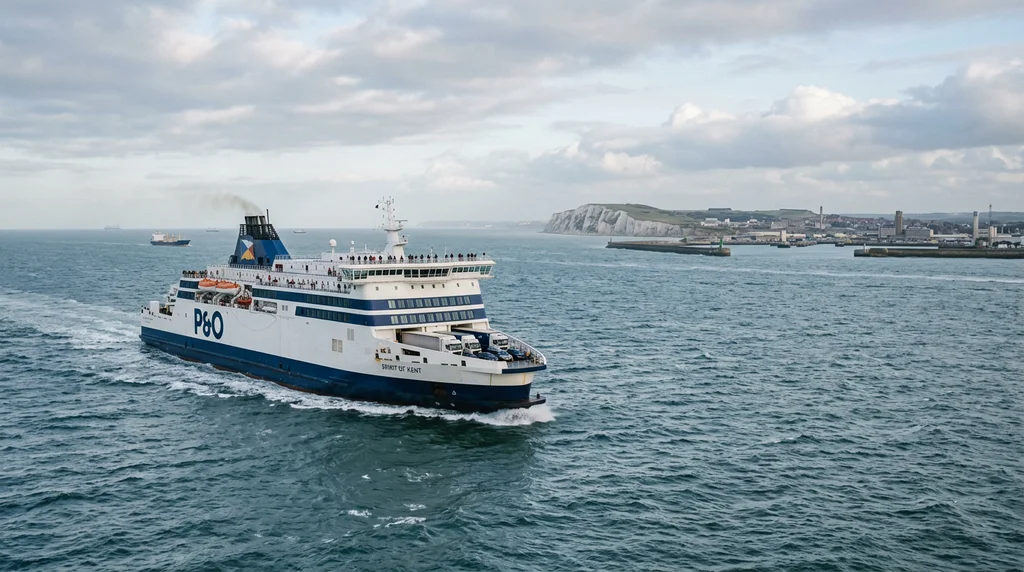
Ferry Routes to Belgium
Check prices & times »Every ferry route to Belgium is indirect. With no direct UK–Belgium crossing, you sail to northern France or the Netherlands and drive across the border — so the "route" is really a crossing plus a short onward drive.
The good news is that the crossings are frequent and the drives are short. Here's how the main options compare, and which works best for each part of Belgium.
Ferry routes towards Belgium
~2 hours | closest to Belgium
Check Prices »~90 min | most frequent
Check Prices »~11–12h overnight | best for Antwerp
Check Prices »~6h 30m–7h | best rail links
Check Prices »| Route | Destination | Duration | Best For | Link |
|---|---|---|---|---|
| Dover–Dunkirk | to France | ~2 hours | closest to Belgium | View » |
| Dover–Calais | to France | ~90 min | most frequent | View » |
| Hull–Rotterdam | to Netherlands | ~11–12h overnight | best for Antwerp | View » |
| Harwich–Hook of Holland | to Netherlands | ~6h 30m–7h | best rail links | View » |
There's no direct UK–Belgium route. Each of these lands in France or the Netherlands, with a short drive on into Belgium.
Table of Contents
The French routes
Sailing to northern France is often the best choice, especially for western Belgium:
- Dover–Dunkirk: lands closest to Belgium, ideal for Bruges, Ghent and the coast — around 2 hours at sea
- Dover–Calais: the shortest and most frequent Channel crossing at around 90 minutes, with the most operator choice
- The drive on: Bruges is around 1 hour 20 from Calais, less from Dunkirk
The Dutch routes
Sailing to the Netherlands suits northern England and eastern Belgium:
- Hull–Rotterdam: an overnight crossing, the closest modern equivalent to the old Hull–Zeebrugge route, about an hour from Antwerp
- Harwich–Hook of Holland: the fastest Dutch crossing at around 6.5–7 hours, with excellent rail links
- The drive on: from either port, it's a straightforward run south into Belgium
By destination
Where you're going in Belgium points to the best route:
- Bruges and the coast: Dover–Dunkirk, closest to West Flanders
- Ghent: Dover–Dunkirk or Dover–Calais
- Brussels: compare the French routes and Harwich–Hook of Holland
- Antwerp: Hull–Rotterdam or Harwich–Hook of Holland
By starting point
Or by where you're travelling from:
- London and the south-east: Dover, for the French crossings
- Northern England: Hull, for the overnight Rotterdam route
- East of England: Harwich, for the Hook of Holland
- Without a car: Harwich–Hook of Holland, for the rail connections
Booking indirect routes
A few things worth knowing when your route is indirect:
- Book the crossing: you book the ferry leg to France or the Netherlands, not to Belgium
- Compare total journey: weigh crossing time plus the onward drive, not just time at sea
- Documents: a valid passport is required, and the EES entry system applies at your arrival port
- Plan the drive: know your route across the border before you sail
Frequently Asked Questions
What ferry routes go to Belgium?
None directly — you sail Dover–Dunkirk or Dover–Calais to France, or Hull–Rotterdam or Harwich–Hook of Holland to the Netherlands, then drive into Belgium.
What's the best route to Belgium by ferry?
For Bruges and the coast, Dover–Dunkirk lands closest. For Antwerp, Hull–Rotterdam or Harwich–Hook of Holland. Compare based on your destination.
Which crossing is quickest to Belgium?
Dover–Calais is the shortest at around 90 minutes, though Dover–Dunkirk lands closer to the Belgian border.
Can I reach Belgium overnight by ferry?
Yes — Hull–Rotterdam is an overnight crossing, landing about an hour from Antwerp, a good option for northern travellers.
Do I need a passport for these routes?
Yes — Belgium is in the EU and Schengen area, so you need a valid passport, and the EES entry system applies at your French or Dutch arrival port.